

Hop Protocol Reseña
Bonder-based Ethereum rollup bridge, now effectively abandoned
Status, checked 10 October 2026: Hop Protocol is effectively abandoned, and we no longer recommend it. Its official website now serves an unrelated gambling page, its app returns an error and the last Hop DAO proposal dates from March 2025. About $3.75 million is still locked in its contracts (DefiLlama, 9 October 2026). Do not use lookalike Hop sites. See the crypto bridges we still recommend.
De un vistazo
Hop is a liquidity-network bridge for Ethereum rollups in which bonders front funds on the destination chain using hTokens, and settlement runs through each rollup's own messaging. It is effectively abandoned. Its official website now serves an unrelated gambling page, its app returns an error and about $3.75 million remains in its contracts.
Background reading only. We no longer recommend Hop Protocol for any transfer.
You want to move funds between chains today. Hop's official app returns an error, so use one of the bridges we still recommend.
At A Glance
Who Is Hop Protocol Best For?
Best for: Background reading only. Hop Protocol is effectively abandoned, and we no longer recommend it for any transfer. Skip if: You want to move funds between Ethereum and its layer 2 networks today. Hop's official website now serves an unrelated gambling page and its app returns an error.Our Take
Hop Protocol was built to move funds between Ethereum and its rollups through hTokens and a network of bonders, but in October 2026 it is effectively abandoned. Its official website now serves an unrelated gambling page, its app returns an error, the Hop DAO has posted no proposal since March 2025 and the LI.FI aggregator no longer lists Hop among its bridges. For transfers between Ethereum layer 2s, look at Stargate Finance or Across Protocol instead. About $3.75 million is still locked in Hop's contracts on 7 chains (DefiLlama, 9 October 2026), down from $9.5 million a year earlier and a peak of $149 million in April 2022. If you still have funds there, do not use lookalike Hop sites.Skrumble Scoring Breakdown
We no longer score Hop Protocol. Its official app returns an error, so we can't test its fees or speed, and we do not recommend it. See our full crypto bridge scoring methodology here.What is Hop Protocol and How Does it Work?
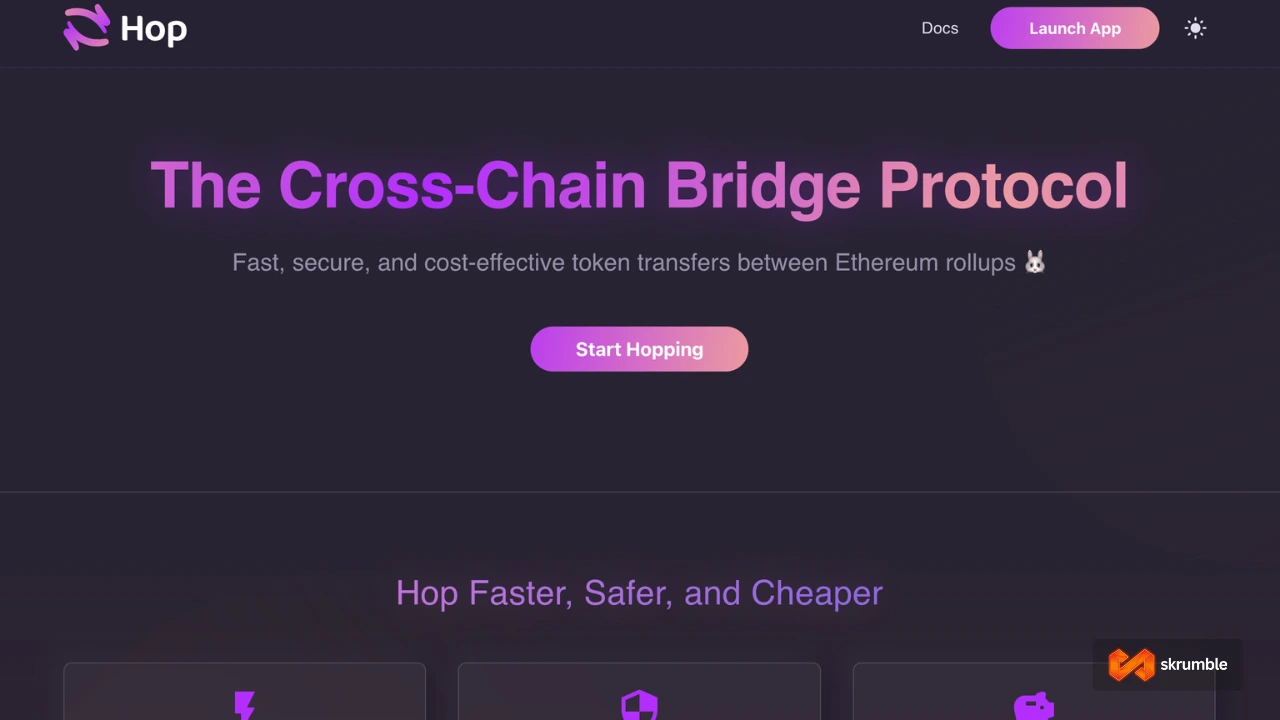 Launched in 2021 by Chris Whinfrey, Hop Protocol was built to move assets between Ethereum mainnet and Layer 2 networks using an hToken bridging mechanism.
The protocol operates through an innovative system where users lock assets on the origin chain to mint equivalent hTokens (Hop Bridge Tokens) that represent the locked assets in a 1:1 ratio. These hTokens can then be transferred across supported networks and redeemed for the underlying assets.
Launched in 2021 by Chris Whinfrey, Hop Protocol was built to move assets between Ethereum mainnet and Layer 2 networks using an hToken bridging mechanism.
The protocol operates through an innovative system where users lock assets on the origin chain to mint equivalent hTokens (Hop Bridge Tokens) that represent the locked assets in a 1:1 ratio. These hTokens can then be transferred across supported networks and redeemed for the underlying assets.
Key Technical Components:
hTokens (Hop Bridge Tokens) serve as flexible intermediary tokens that represent locked assets across different blockchains. When transferring 100 USDT, for example, the protocol mints 100 hUSDT tokens. Bonders provide upfront liquidity on destination chains, enabling faster transfers without waiting for full blockchain finalization. Automated Market Makers (AMM) facilitate swaps between hTokens and native tokens on each supported network, ensuring users receive the correct assets. Final settlement between chains runs through each rollup's own canonical messaging.Networks and Remaining Funds
Hop's app now returns an error, so no route can be called supported today. DefiLlama still tracks funds in Hop's contracts on these 7 chains (9 October 2026):Chains With Funds Still Locked (7)
The asset list from an earlier version of this review can no longer be checked in Hop's app, so we have removed it.Fees and Costs
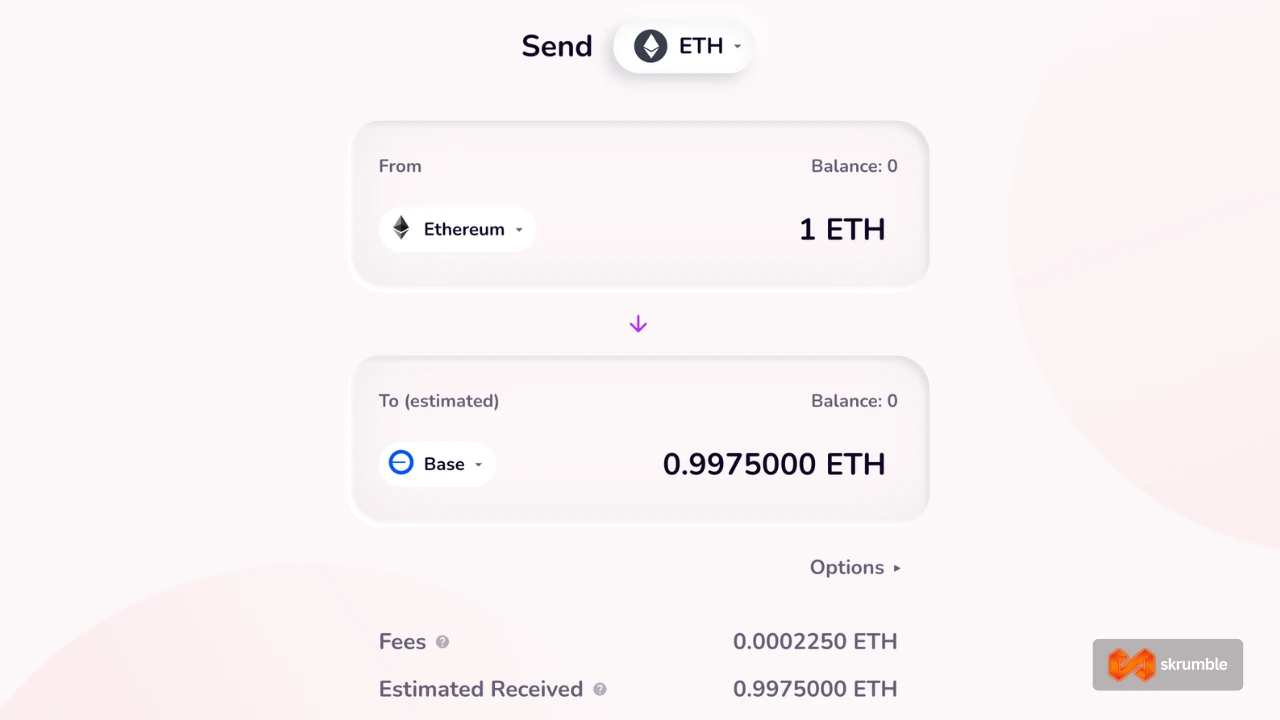 We can no longer check Hop Protocol's fees because its app returns an error. The minimum fee, bonder fee and AMM swap fee figures from an earlier version of this review have been removed rather than left up unverified.
Security and Audits
DefiLlama's hacks database lists no exploit of Hop Protocol, and funds are still held in its smart contracts. The bigger risk now is impersonation, because Hop's official domain has been taken over by an unrelated gambling site. Do not use lookalike Hop sites. We could not re-check the audit, multisig and timelock details from our earlier review while Hop's app is down, so we have removed them.HOP Token and Governance
HOP was priced at about $0.00053 on 9 October 2026 (DefiLlama).Governance Rights
Token holders could vote on Hop DAO decisions including supported networks, bridging fees and protocol upgrades, after delegating voting power through an on-chain transaction. The DAO is now dormant. The last proposal on its Snapshot space, HIP-52, was created on 1 March 2025.User Experience and Interface
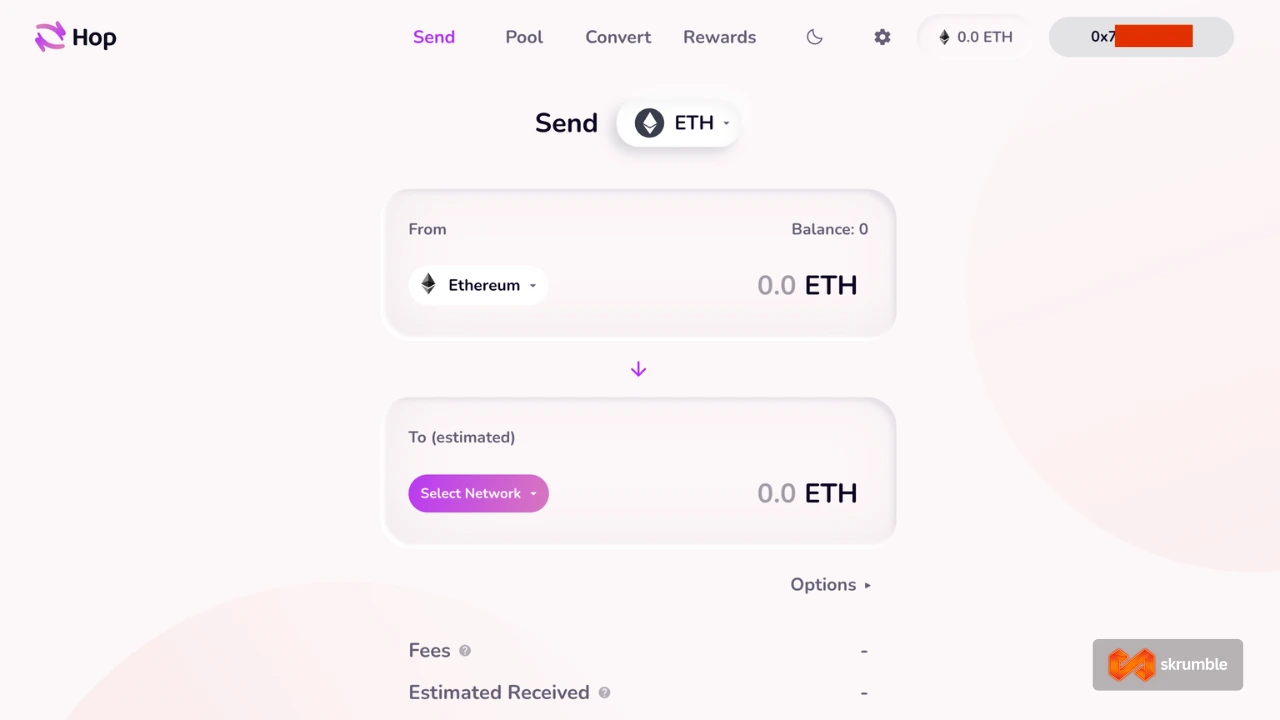 The screenshot above shows Hop's bridge app as it looked in an earlier version of this review. The official app now returns an error, so this interface can no longer be used.
Unique Features
Hop DAO Governance
The Hop DAO was set up to manage protocol development, token additions, network integrations and treasury allocation. It has been dormant since its last proposal in March 2025.hToken Innovation
The hToken system represents a unique approach to cross-chain bridging, enabling trustless transfers without relying on external validators or centralized authorities.Things We Do Not Like
Abandoned Front End: The official app returns an error and the brand's website now serves an unrelated gambling page, so there is no working official app. Unpredictable Final Assets: Users may occasionally receive hTokens instead of native tokens on the destination chain, requiring manual conversion through AMMs. Dormant Governance: The Hop DAO has posted no proposal since March 2025, and the LI.FI aggregator no longer lists Hop among its bridges. Complex Fee Calculation: Multiple fee components make it difficult to predict exact costs, potentially frustrating users seeking transparency.Alternatives to Consider
- Stargate Finance: Moves native USDC, USDT and ETH between major EVM chains, in about a minute on average
- Across Protocol: Provides faster transfers with UMA's optimistic oracle system
- Orbiter Finance: Maker-run bridge covering 74 chains in its docs, including Starknet, TON and Tron
Conclusion
Hop Protocol is no longer a bridge we can recommend. Its official front end is gone and its DAO has been dormant since March 2025, even though DefiLlama lists no exploit of its contracts. For new transfers, pick from our current ranking of the best crypto bridges, and never follow links from lookalike Hop sites.Skrumble Community Ratings
We're building our Hop Protocol review section! Share your experience to help others, particularly regarding:- Your experience with Hop vs other bridge platforms
- How fees compare to alternatives like Stargate or Across
- Transfer times and any delays you've encountered
- Success with governance participation and rewards
- Issues with receiving hTokens vs native tokens
FAQs
What networks does Hop Protocol support?
+ None in practice, because Hop's app now returns an error. DefiLlama still tracks funds in its contracts on 7 chains (Ethereum, Optimism, Arbitrum, Polygon, Base, Gnosis and Arbitrum Nova) as of 9 October 2026.How fast are Hop Protocol transfers?
+ We can no longer measure Hop transfer times, because its app returns an error.What is the HOP token used for?
+ HOP is the Hop DAO's governance token. It was priced at about $0.00053 on 9 October 2026, and the DAO has posted no proposal since March 2025.Is Hop Protocol safe to use?
+ No, we do not recommend it. DefiLlama lists no exploit of Hop's contracts, but the project is effectively abandoned and its official website now serves an unrelated gambling page. Do not use lookalike Hop sites.Why might I receive hTokens instead of native tokens?
+ If the final AMM swap times out, you'll receive hTokens that can be manually converted to native assets through the protocol's AMM pools.Risk Warning:
Trading Forex, CFDs, and cryptocurrencies carries a high level of risk and may not be suitable for all investors. These markets are volatile and can result in the loss of your invested capital. Make sure you fully understand the risks before trading.Screenshots